





颐和园

20101 Sezon6 Bölüm
7.7
Belgesel

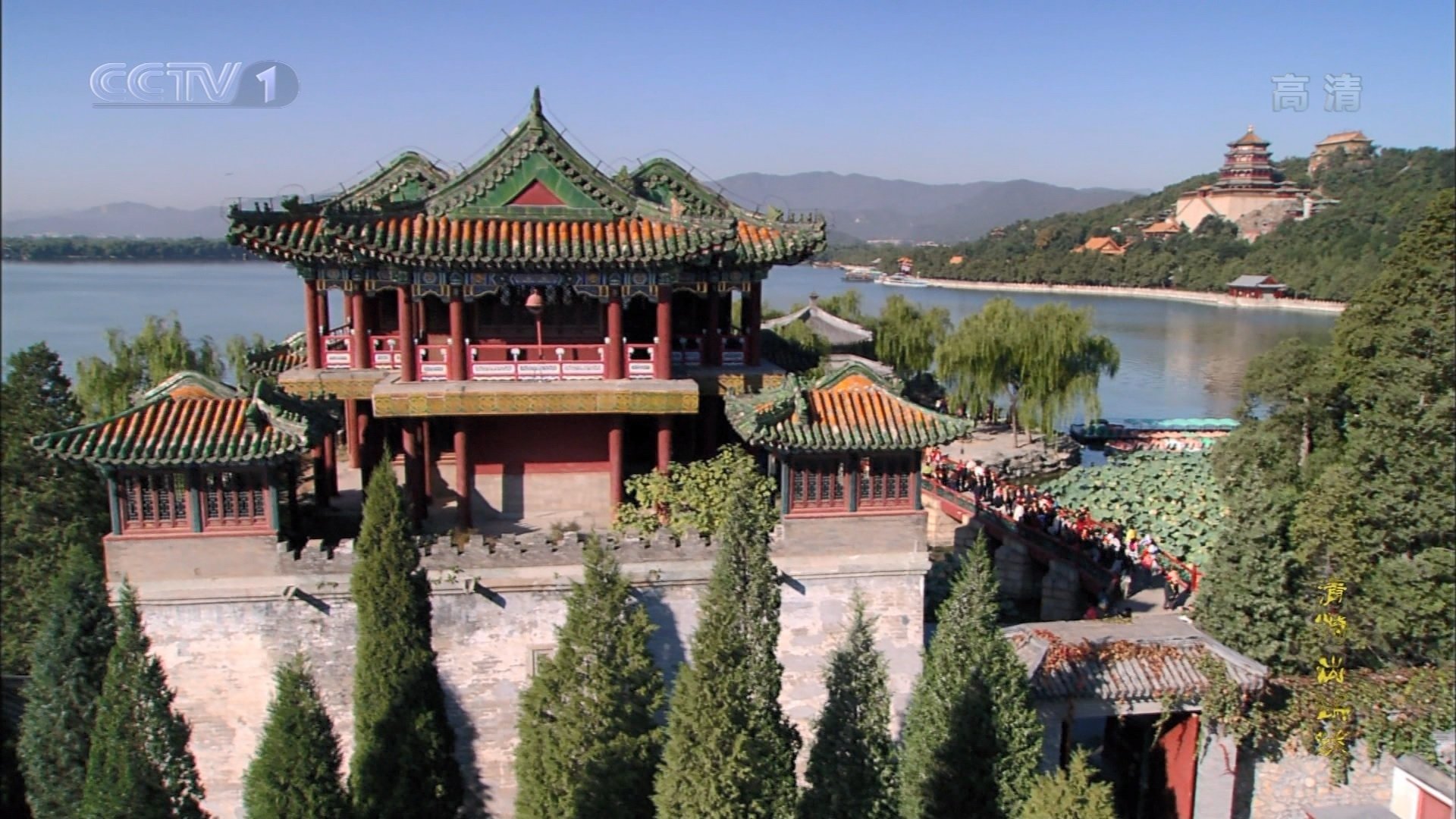
The Imperial Garden of the Qing Dynasty, formerly known as the Qingyi Garden, was built in the Qing Emperor Qianlong period when the national power was strong. It was destroyed by the British and French coalition forces in the second Opium War in 1860. During the reign of Emperor Guangxu, it was renamed the Summer Palace and became the main place where Cixi lived and lived in his later years. The Summer Palace was looted by the Eight-Power Allied Forces in 1900 and was occupied by the Japanese during the Anti-Japanese War. In 1928, the Summer Palace officially became a national park by the Royal Garden. The preservation of the archives and cultural relics in the park today records the history of China's feudal society from its glory to its decline, and it has also witnessed the vicissitudes of several vicissitudes of gardens in New China. The Summer Palace is a collection of Chinese classical garden art. It combines the essence of the north and south gardens and integrates the man-made landscape with nature. It is the last royal garden in China and the most intact and largest ancient garden in China. It is a Chinese garden. The pinnacle of art. In 1998, it was included in the World Cultural Heritage List by UNESCO. The film was produced by CCTV, and the backbone of the creative team was the original team to shoot the 12-episode large-scale documentary "The Forbidden City." The creation of "The Summer Palace" was launched in 2006 and lasted three years. According to Chinese traditional culture, the Forbidden City represents "li", and the Summer Palace represents "le". Now the filming of "The Forbidden City" and "The Summer Palace" is completed, which also represents the combination of "ritual" and "le", completing Chinese classical architecture and culture. a chapter.

颐和园

颐和园

20101 Sezon6 Bölüm7.7 / 10Tamamlandı

Konusu

The Imperial Garden of the Qing Dynasty, formerly known as the Qingyi Garden, was built in the Qing Emperor Qianlong period when the national power was strong. It was destroyed by the British and French coalition forces in the second Opium War in 1860. During the reign of Emperor Guangxu, it was renamed the Summer Palace and became the main place where Cixi lived and lived in his later years. The Summer Palace was looted by the Eight-Power Allied Forces in 1900 and was occupied by the Japanese during the Anti-Japanese War. In 1928, the Summer Palace officially became a national park by the Royal Garden. The preservation of the archives and cultural relics in the park today records the history of China's feudal society from its glory to its decline, and it has also witnessed the vicissitudes of several vicissitudes of gardens in New China. The Summer Palace is a collection of Chinese classical garden art. It combines the essence of the north and south gardens and integrates the man-made landscape with nature. It is the last royal garden in China and the most intact and largest ancient garden in China. It is a Chinese garden. The pinnacle of art. In 1998, it was included in the World Cultural Heritage List by UNESCO. The film was produced by CCTV, and the backbone of the creative team was the original team to shoot the 12-episode large-scale documentary "The Forbidden City." The creation of "The Summer Palace" was launched in 2006 and lasted three years. According to Chinese traditional culture, the Forbidden City represents "li", and the Summer Palace represents "le". Now the filming of "The Forbidden City" and "The Summer Palace" is completed, which also represents the combination of "ritual" and "le", completing Chinese classical architecture and culture. a chapter.

Nerede İzlenir?

Bu içerik şu anda Türkiye'deki dijital platformlarda mevcut değil.

Hızlı Keşif

颐和园 dizisini beğendiyseniz, 2010 yılının diğer yapımlarını, keşfedebilirsiniz.

Diğer Ülkelerdeki İsimleri

颐和园The Summer Palace

Sık Sorulan Sorular

颐和园 dizisi ne hakkında?

The Imperial Garden of the Qing Dynasty, formerly known as the Qingyi Garden, was built in the Qing Emperor Qianlong period when the national power was strong. It was destroyed by the British and French coalition forces in the second Opium War in 1860. During the reign of Emperor Guangxu, it was ren

颐和园 dizisinin yaratıcısı kim?

Yaratıcı bilgisi mevcut değil.

颐和园 dizisi kaç sezon?

颐和园 dizisi 1 sezon ve toplamda 6 bölümden oluşmaktadır.

颐和园 ne zaman yayınlandı?

颐和园 dizisi 2010 yılında ilk kez yayınlanmıştır.

2010 yapımı 颐和园, 7.667/10 değerlendirme ortalamasıyla dikkat çeken bir televizyon dizisidir. Yapım, Belgesel kategorisinde öne çıkan içerikler arasında gösterilmektedir.

Konu ve Hikaye: The Imperial Garden of the Qing Dynasty, formerly known as the Qingyi Garden, was built in the Qing Emperor Qianlong period when the national power was strong. It was destroyed by the British and French coalition forces in the second Opium War in 1860. During the reign of Emperor Guangxu, it was renamed the Summer Palace and became the main place where Cixi lived and lived in his later years. The Summer Palace was looted by the Eight-Power Allied Forces in 1900 and was occupied by the Japanese during the Anti-Japanese War. In 1928, the Summer Palace officially became a national park by the Royal Garden. The preservation of the archives and cultural relics in the park today records the history of China's feudal society from its glory to its decline, and it has also witnessed the vicissitudes of several vicissitudes of gardens in New China.

The Summer Palace is a collection of Chinese classical garden art. It combines the essence of the north and south gardens and integrates the man-made landscape with nature. It is the last royal garden in China and the most intact and largest ancient garden in China. It is a Chinese garden. The pinnacle of art. In 1998, it was included in the World Cultural Heritage List by UNESCO.

The film was produced by CCTV, and the backbone of the creative team was the original team to shoot the 12-episode large-scale documentary "The Forbidden City." The creation of "The Summer Palace" was launched in 2006 and lasted three years. According to Chinese traditional culture, the Forbidden City represents "li", and the Summer Palace represents "le". Now the filming of "The Forbidden City" and "The Summer Palace" is completed, which also represents the combination of "ritual" and "le", completing Chinese classical architecture and culture. a chapter. 1 sezon ve 6 bölüm boyunca işlenen hikaye, karakterlerin dönüşümünü katman katman ortaya koymaktadır.

Tür ve Sinematik Dil: 颐和园, Belgesel türünde konumlanmaktadır. Belgesel türünün alışılmış kalıplarını aşan bir yapıya sahiptir. 2010 yapımı olarak döneminin üretim eğilimlerini yansıtırken kendine özgü bir kimlik de taşımaktadır.

Başrol ve Yardımcı Kadro: Yu Fang isimlerinden oluşan oyuncu topluluğu, 颐和园'in karakter zenginliğini sahneye taşımaktadır. Rollerin dağılımındaki denge ve oyuncular arası kimya, izlenebilirliği doğrudan olumlu etkileyen unsurlar arasında sayılmaktadır.

Yapım Bilgileri: China yapımı olan 颐和园, Sun Geting yaratıcılığında şekillenen, CCTV yapımcılığında bir dizidir. Prodüksiyon sürecinde gözetilen teknik standartlar, ekrandaki kaliteye doğrudan yansımaktadır.

Teknik Bilgiler: 1 sezon · 6 bölüm

Öneri: 7.667/10 değerlendirmesiyle ortalama üstünde konumlanan 颐和园, Belgesel türünü seven ve 2010 yapımı içerikler arayan izleyiciler için değerlendirmeye alınabilecek bir yapımdır. Takip listenize eklemeyi düşünebilirsiniz.

Özet: 颐和园 hakkında oyuncu kadrosu, yaratıcı ekip, konu özeti ve teknik detaylar bu sayfada bir arada sunulmaktadır. Belgesel türünü takip edenler ve 2010 yapımlarını araştıranlar için kapsamlı bir referans kaynağı işlevi görmektedir.

Yorumlar (0)

Yorum yapmak için giriş yap.

Henüz yorum yok. İlk yorumu sen yap!

Veriler TMDB'den saglanmaktadir.

Son guncelleme: 30.09.2026 01:22:18